Sustainable Solutions: How E-Waste Recycling Services Are Saving Our Planet
Electronic waste presents serious dangers to the environment, as discarded electronics often contain toxic materials. These hazardous substances can contaminate soil and water, leading to broader ecological damage. E-waste recycling services present a viable solution. They successfully retrieve useful resources while simultaneously minimizing environmental pollution. Understanding how these services operate and their impact on communities is essential. The journey towards effective e-waste management raises critical questions about individual responsibility and collective action. What measures can be pursued from this point onward?
How E-Waste Is Hurting the Planet
Even though technology enriches contemporary living, e-waste poses serious threats to the environment. Abandoned electronic gadgets, frequently composed of dangerous compounds like mercury, lead, and cadmium, may release harmful substances into soil and groundwater, presenting dangers to human health and ecosystems. The accelerating rate of technological innovation leads to increased consumer turnover of electronics, worsening the buildup of e-waste.
Landfills, already strained by waste, are unable to keep up with the rising quantities of abandoned electronics. Burning, an alternative disposal approach, discharges toxic contaminants into the air, worsening overall air quality. Furthermore, inadequate recycling methods can result in the shipment of electronic waste to underdeveloped nations, where workers may break down equipment without proper protective measures, putting themselves at risk of exposure to hazardous materials. This ongoing cycle of carelessness and inadequate management emphasizes the pressing necessity for responsible recycling initiatives that can lessen the harmful consequences of e-waste on our world.
Understanding E-Waste and Its Significance
E-waste, or electronic waste, includes discarded electronic devices like televisions, computers, and smartphones that have exceeded their operational lifespan. This rapidly expanding waste category is noteworthy owing to its accelerating volume, driven by technological advancements and consumer trends. As growing numbers of electronics become outdated, the toll on the environment grows more severe, with toxic materials such as lead, mercury, and cadmium threatening both ecosystems and public health.
The importance of addressing e-waste lies not only in mitigating these hazards but also in recognizing the valuable materials it contains. Valuable metals and rare earth materials can be extracted and repurposed, lessening the demand for mining and preserving natural resources. With a thorough understanding of e-waste and its impact, people and organizations alike can make educated decisions about disposal and recycling, helping to build a more sustainable world. Proper management of e-waste is essential for fostering a circular economy and promoting environmental stewardship.
How E-Waste Recycling Works
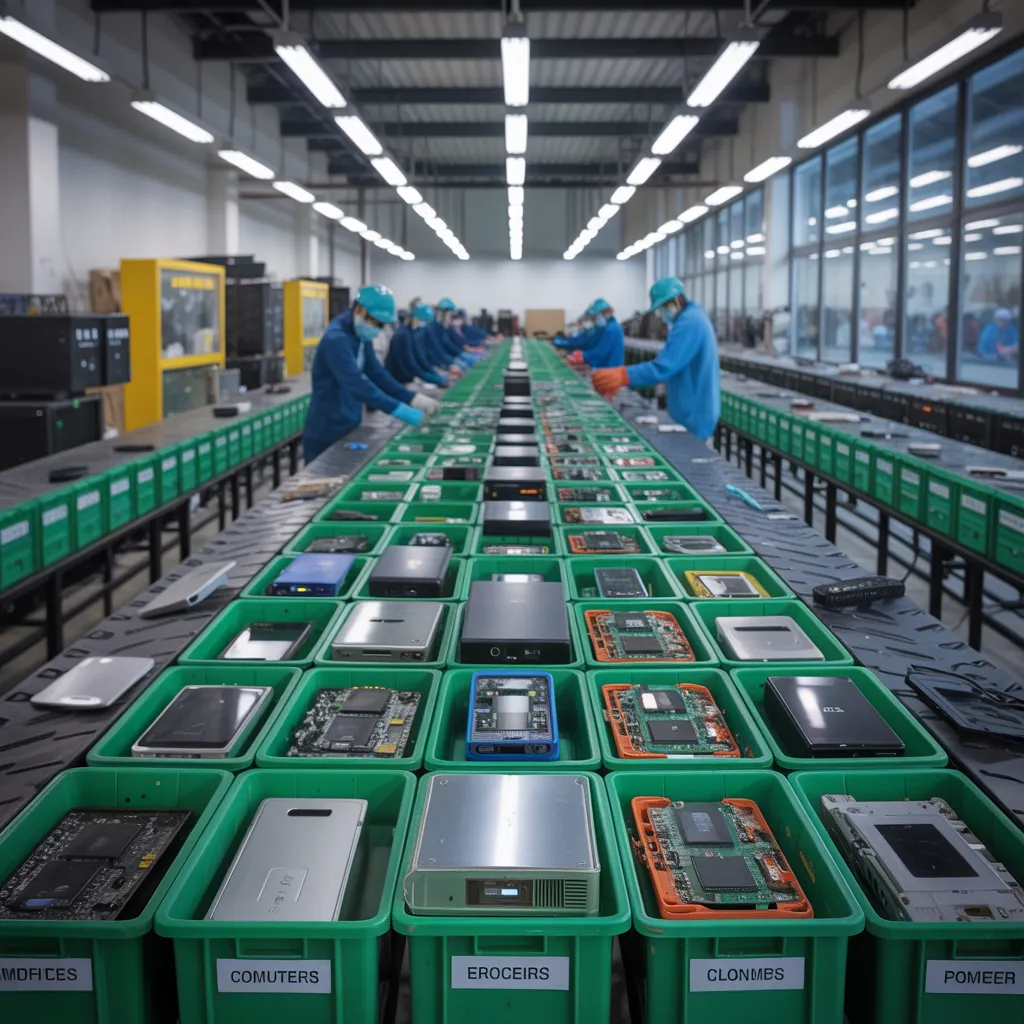
The recycling of e-waste encompasses a systematic process aimed at reclaiming useful resources while limiting ecological damage. At the outset, discarded electronics are retrieved and sent to dedicated processing centers. After reaching the facility, the equipment is meticulously organized to isolate dangerous parts Visit here from recoverable materials.
Next, workers deconstruct the electronics, removing metals, plastics, and glass. This stage is crucial, as it makes possible the recovery of high-value metals like silver, gold, and copper, which may be utilized in modern electronics.
Subsequently, the sorted materials are processed through cutting-edge techniques, such as shredding and chemical treatments, to purify them for further use.
Finally, the residual hazardous waste is handled with responsibility, complying with eco-friendly standards. This systematic method not only preserves valuable resources but also reduces the dangers connected to improper e-waste disposal, securing a more eco-conscious future for electronic consumption.
Why E-Waste Recycling Matters for You and Your Community
Though many people are unaware, the benefits of e-waste recycling go far beyond individual benefit and actively shape entire communities. By carefully processing electronic waste, individuals play a role in creating a cleaner environment, decreasing toxic components that can seep into soil and water. This forward-thinking practice works to protect local ecosystems and supports public health.
Furthermore, the recycling of e-waste encourages job creation within communities. Regional recycling centers frequently need staff for diverse activities, including collection and processing, thereby providing employment opportunities within the community. This not only enhances the community economy but also encourages community engagement in sustainable practices.
Moreover, familiarity with e-waste recycling can lead to educational initiatives, encouraging residents to embrace sustainable practices. By enrolling in e-waste recycling programs, individuals foster a culture of sustainability, prompting others to embrace similar practices. In summary, the cumulative impact of these actions can result in a more strong and environmentally aware community.
How to Choose an E-Waste Recycling Service
Picking the right e-waste disposal service is vital for making sure that electronic refuse is managed responsibly and sustainably. To begin, consumers should verify the service's accreditations, such as e-Stewards or R2, which indicate adherence to professional guidelines for responsible recycling methods. It's also important to evaluate the organization's standing by reading customer reviews and seeking recommendations from trusted sources.
Next, transparency in the recycling process is vital. A trustworthy provider should supply straightforward details about how e-waste is processed and how the materials are utilized. Furthermore, assessing the variety of services available can be advantageous; certain providers may offer collection services or present rewards for recycling.
Finally, learning about area-specific requirements for e-waste disposal can further guide the choice of disposal method. When these considerations are given priority, consumers can play a role in effective e-waste management while supporting green and responsible behaviors.
Ways You Can Participate in E-Waste Recycling?
Getting involved with e-waste recycling often starts at the local level, where local recycling facilities regularly supply essential services for proper disposal. Additionally, participating in community awareness campaigns can strengthen efforts to raise awareness about the importance of responsible e-waste management. These initiatives not only encourage sustainable practices but also build a collective sense of responsibility toward the environment.
Area Recycling Stations
Several regional recycling hubs play an essential role in the recycling of e-waste, providing communities with accessible options to manage electronic waste appropriately. These centers accept a variety of electronic items, including used computers, handheld devices, and televisions, making certain that hazardous materials are managed safely. Many hubs feature qualified professionals who help individuals navigate appropriate disposal procedures, highlighting the value of recycling rather than landfilling. Moreover, many centers offer scheduled drop-off occasions or specific collection dates, making it easy for residents to participate. By engaging with these local facilities, community members advance a circular economy, minimizing ecological impact and fostering sustainable behaviors. Connecting with these stations enables communities to combat e-waste pollution successfully.
Community Outreach Campaigns
Community groups, educational institutions, and companies can work together to organize events that support e-waste collection drives. Community members can serve a critical function in spreading awareness, distributing educational materials, and engaging with the community. Through these collective efforts, community members grow more knowledgeable and inspired to dispose of their electronics responsibly, thereby helping to build a greener and more sustainable tomorrow.
Common Questions and Answers
What Kinds of Electronics Can Be Recycled?
Various electronics can be recycled, including laptops, televisions, smartphones, printers, computers, and gaming consoles. In addition, ancillary devices such as mice, keyboards, and batteries are equally appropriate for recycling, promoting eco-friendly conservation initiatives.
Are There Fees Involved With E-Waste Recycling?
That's correct, e-waste disposal sometimes comes with fees, subject to the facility. Certain providers apply costs for gathering or treatment, while others provide no-cost solutions, frequently supported by the resale of recovered materials.
How Can Businesses Benefit From E-Waste Recycling?
Companies can take advantage of e-waste recycling by lowering disposal expenses, improving their green reputation, complying with regulations, recovering valuable materials, and potentially generating revenue through resale, ultimately contributing to a more sustainable operational strategy.
What Occurs with Data on Recycled Devices?
Details from recycled equipment is frequently irretrievably wiped or eliminated during the refurbishment process. This ensures private details is kept safe, blocking unwanted intrusion while enabling materials to be reused safely and responsibly within new applications.
Are Broken Electronics Eligible for Recycling?
Absolutely, defective electronics can be recycled. Several recycling centers receive defective devices, guaranteeing proper disposal and recovery of valuable materials. This helps minimize environmental impact while supporting eco-friendly recycling methods to control electrical waste efficiently.